Winter brings risks that no commercial landlord can afford to ignore.
Burst pipes, power failures and icy walkways don’t just disrupt operations; they lead to insurance claims, compliance breaches and unhappy tenants.
According to the Association of British Insurers, winter-related damage costs UK businesses over £1 billion annually, and most of it is preventable. I explain how to stay one step ahead.
The Cost of Getting Caught Out
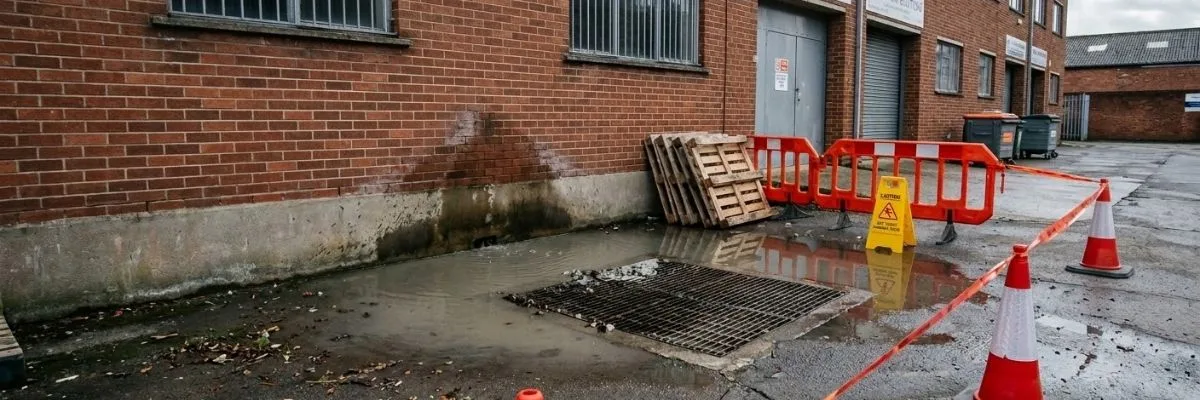
When winter hits, poorly prepared properties face some of the costliest issues:
-
Frozen pipes and water damage
-
Heating failures at peak occupancy
-
Slips, trips and falls on icy access routes
-
Non-compliance with safety regulations
-
Insurance complications due to missed servicing
What’s at stake? Your property’s value, your tenants’ experience, and your reputation as a landlord.
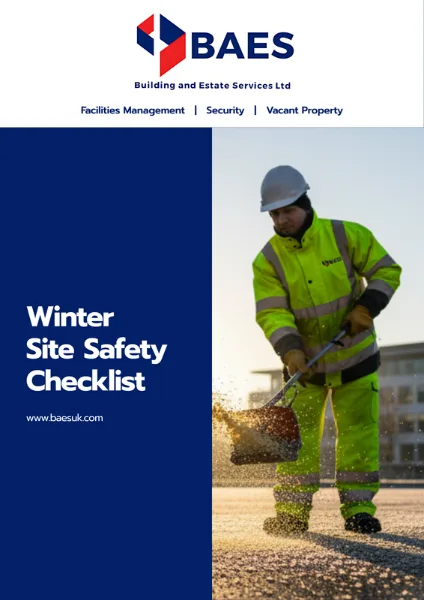
Download Your Free Winter Site Safety Checklist
Get practical steps to keep your site safe, compliant and operational in freezing weather.
Key areas to grit (car parks, walkways, ramps and more)
When to act during cold snaps and snowfall
Compliance tips to reduce slip claims and insurance risks
Tools, PPE and record-keeping essentials
Stay ahead of winter risks, protect your people and site, and avoid costly downtime.
"Winter doesn't give you much warning. The properties that come through the season without incident are the ones where the groundwork was done in September and October, not January."
Get Your Property Winter-Ready
Book a seasonal inspection and maintenance visit before the cold sets in.
Five Ways to Get Winter-Ready
1. Inspect Key Areas for Seasonal Weaknesses
Cold weather exposes vulnerabilities in roofs, doors, windows, and drainage systems.
Blocked gutters and poor insulation can quickly lead to water ingress or heating inefficiency.
We recommend: Book a professional winter readiness inspection. It’s more economical (and reliable) than dealing with emergency repairs.
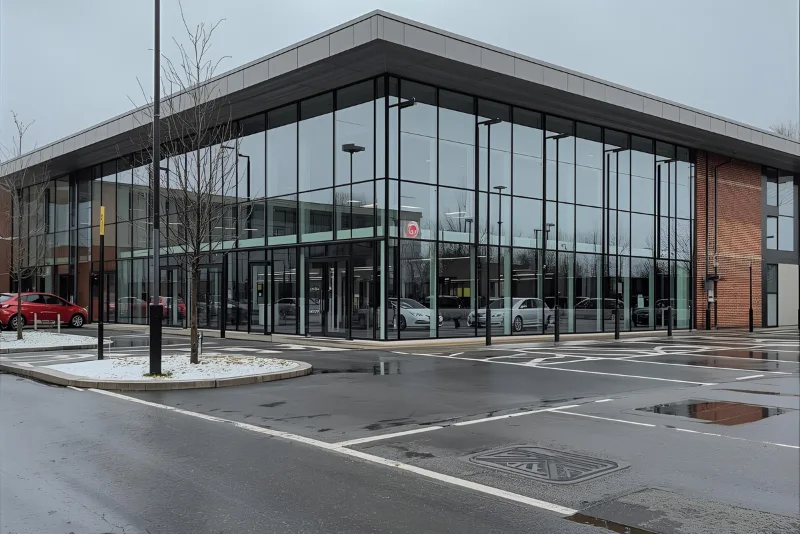
2. Secure Walkways, Car Parks and Entrances
Slips, trips, and falls are the most common cause of workplace injuries in the UK (HSE). The risk increases by 45% during the winter months.
We recommend: Planning for gritting, snow clearance and lighting now. High-risk areas include car parks, ramps, and shaded walkways.
3. Prioritise Safety and Compliance
Emergency lighting, fire alarms, and accessibility features must operate reliably, even in freezing conditions. Regulations to consider:
-
The Workplace (Health, Safety and Welfare) Regulations 1992
-
The Regulatory Reform (Fire Safety) Order 2005
We recommend: Don’t let winter weather push you out of compliance. Keep logs, update testing, and address known faults.
“Winter risks aren’t just about bad weather—they’re about preparation. We help landlords stay ahead of the season with smart checks, quick fixes and a proactive mindset that saves stress and cost later.”
4. Protect Your Heating and Pipework
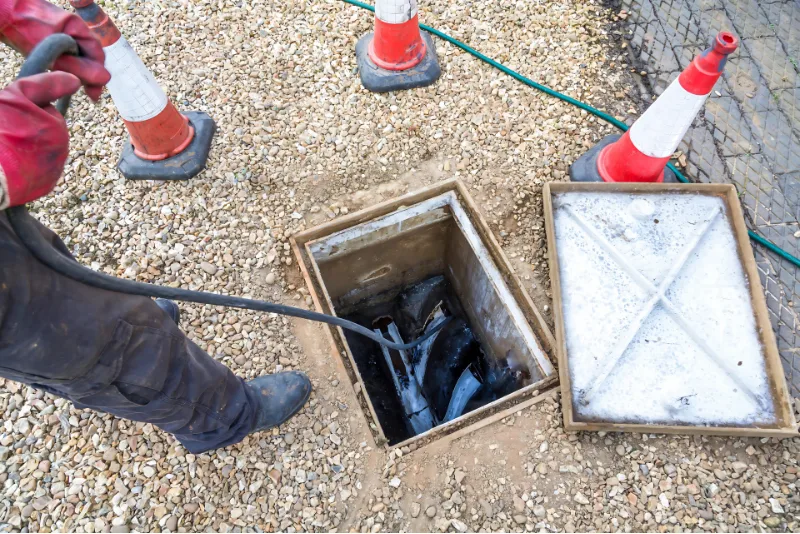
Frozen pipes are a leading cause of insurance claims during the winter months. Left unchecked, even minor frost damage can trigger major leaks or system failures.
**We **recommend: Lagging all exposed pipework, servicing your boilers, and testing your building’s heating system in early autumn, before the lower temperatures arrive.
5. Pay Special Attention to Vacant or Low-Use Spaces
Unoccupied parts of your property are often the most vulnerable. Without heating, ventilation, or regular inspections, damage can go unnoticed and get expensive fast.
We recommend: Maintain regular checks on all areas of your site, even those not currently in use. We can tailor inspections and maintenance to suit your vacancy levels.
How we Help at BAES
Winter preparation doesn’t have to be a headache. We support landlords with:
-
Comprehensive winter inspections to identify seasonal vulnerabilities
-
Scheduled heating and pipe servicing
-
Emergency lighting and fire system checks
-
Gritting and access route safety plans
-
Vacant property monitoring and care
All backed by 24/7 availability and clear, actionable reporting.
Don’t wait for frost to cause slips, claims or disruptions. Download our Winter Site Safety Checklist or book your free winter appraisal today.
For immediate help, call 01903 650120.