
Did you know? Many property owners and facilities managers underestimate the hidden cost of reactive maintenance. According to industry studies, unplanned maintenance can cost up to 4 times as much as planned maintenance.
As a commercial property owner or facilities manager, you’ve likely faced the headache of last-minute repairs or costly emergencies. But what if you could prevent those issues before they arise and save money in the process?
At BAES, we believe proactive maintenance is the wise choice. It’s essential for protecting your investment and keeping your property running smoothly.
The Hidden Costs of Reactive Maintenance
Waiting until something breaks doesn’t just cause inconvenience: it drains your budget.
Research from the Royal Institution of Chartered Surveyors (RICS) shows that implementing condition-based maintenance can reduce reactive maintenance by around 10%, with potential savings exceeding £790,000 over a 16-year concession period. The UK Government’s Environment Agency also highlights that regular inspections and minor repairs can prevent costly emergency interventions and extend asset lifespans.
Reactive repairs often come with:
-
Emergency call-out fees
-
Premium pricing for parts and labour
-
Disruption to your tenants or operations
-
Increased risk of compliance breaches
When your systems fail unexpectedly, it forces businesses into costly, rushed solutions that could have been avoided with planned maintenance.
"In our experience, the cost of ignoring maintenance is always higher than the cost of doing it right the first time. Proactive maintenance isn't just about compliance: it's about protecting your asset, supporting your tenants, and giving you peace of mind."
Start Saving with a Planned Maintenance Programme
Get a free property appraisal and find out how much reactive maintenance is costing you.
What Proactive Maintenance Looks Like
Proactive maintenance means taking action before problems occur. Preventative tactics include:
-
Regular inspections of your key building systems
-
Scheduled servicing (e.g., HVAC, lifts, fire safety systems)
-
Compliance-related checks (e.g., fire doors, emergency lighting, safety equipment)
-
Early detection of wear and tear
-
Using data to predict potential failures
Businesses can stay ahead of issues by preventing minor problems from snowballing into expensive repairs. For example, facilities management approaches that prioritise scheduled maintenance help you avoid the chaos of emergency callouts.
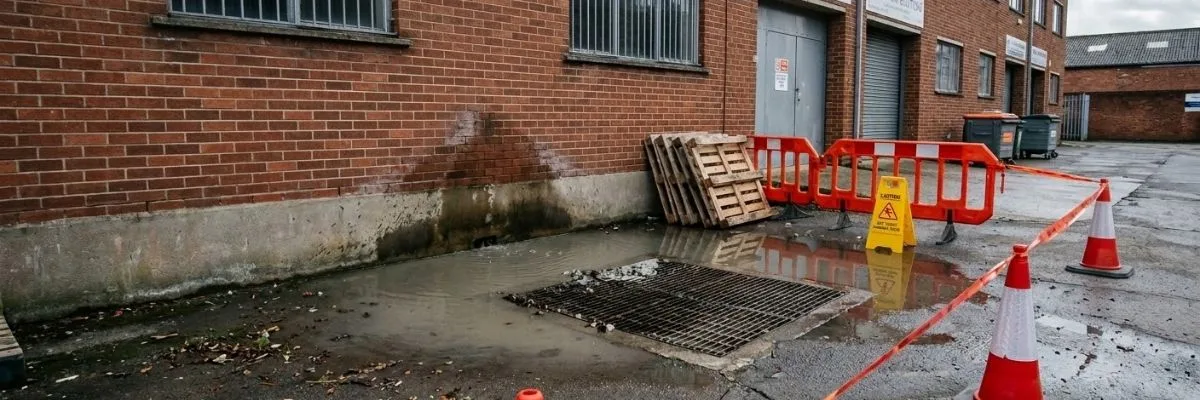
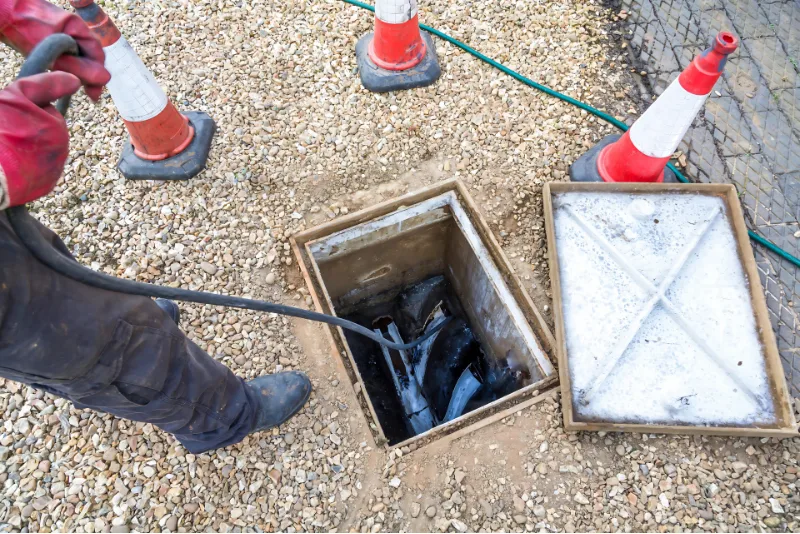
Regular servicing of your drainage systems is a perfect example. Most commercial drain failures show warning signs weeks before they become emergencies. Catching these early through routine inspections saves thousands in emergency repair costs.
Reactive vs Planned Maintenance Comparison
| Factor | Reactive Maintenance | Planned Maintenance |
|---|---|---|
| Cost | High: often costs up to 4x more than planned work | Lower: scheduled work avoids premium emergency pricing |
| Timing | Unpredictable: happens when systems fail | Controlled: work scheduled at convenient times |
| Disruption | Severe: emergency work causes major tenant disruption | Minimal: planned around operational needs |
| Asset Lifespan | Shortened: neglect accelerates deterioration | Extended: regular care maximises equipment life |
| Compliance | Risky: failures can breach safety regulations | Robust: regular checks maintain compliance standards |
| Budgeting | Difficult: unexpected costs disrupt financial planning | Predictable: scheduled costs enable accurate forecasting |
The Benefits for Property Owners and Property Managers
Focusing on preserving asset value and keeping tenants happy with proactive maintenance offers you clear advantages.
For commercial property owners like yourself, well-maintained assets command higher rents and resale prices. Your property’s long-term value depends on consistent care, not reactive firefighting. When you maintain functional, well-kept spaces, you retain occupants longer and reduce the costly cycle of tenant turnover.
Your tenant satisfaction improves dramatically when maintenance issues are resolved before they affect daily operations. This proactive approach also lowers your insurance risks and premiums, as fewer claims translate directly to reduced costs.
If you’re responsible for day-to-day operations as a facilities manager, proactive maintenance simplifies your work considerably. You can reduce downtime and disruptions by planning work around peak hours rather than scrambling during emergencies.
Budgeting and cost control become far easier when you’re working with predictable maintenance schedules instead of surprise emergencies. And instead of spending hours chasing multiple contractors, you benefit from having one trusted partner handling everything.
Meeting commercial drainage regulations and compliance requirements becomes straightforward when you schedule regular inspections rather than reacting to failures.
-
Protect your property’s long-term value with consistent professional care
-
Keep your tenants satisfied and reduce turnover through reliable maintenance
-
Lower your insurance risks and premiums by preventing claims
-
Reduce downtime and disruptions with scheduled work at convenient times
-
Make budgeting easier with predictable maintenance costs
-
Spend less time chasing contractors with one trusted partner
Real-World Impact: What This Means for You
For Property Owners: Protecting Your Investment
You own a portfolio of three commercial properties across the South East. Last year, one of your retail units experienced a major drainage failure that cost £8,500 in emergency repairs, forced your tenant to close for three days, and led to a rent-reduction negotiation.
The drainage survey afterwards revealed that regular maintenance costing £400 annually would have prevented the entire incident. That’s a 2,000% markup for reactive maintenance.
Beyond the immediate repair costs, you faced reputational damage with your tenant, lost rental income during closure, and the stress of managing the crisis whilst on holiday. Your property’s valuation was also affected because the surveyor noted deferred maintenance throughout the building.
With a proactive maintenance plan in place, you now budget £1,200 annually per property for scheduled inspections and servicing. In two years, you’ve had zero emergency callouts, your tenants report higher satisfaction, and your insurance premiums have decreased by 15%. Your properties maintain their value, and you sleep better at night.
For a Property Manager: Simplifying Your Operations
You manage a 50,000 sq ft office complex with multiple tenants. Your previous approach involved calling different contractors whenever something broke: one for HVAC, another for drainage, a third for electrical issues.
Last winter, a heating failure on the coldest day of the year left you fielding complaints from three different tenants whilst trying to coordinate an emergency repair. The callout cost £3,200, and you spent six hours managing the situation instead of focusing on your actual responsibilities.
After implementing a comprehensive facilities management plan, everything changed. You now have quarterly inspections scheduled for all building systems, with detailed reports sent to you after each visit. Your maintenance provider alerts you to potential issues before they become problems.
In the past 18 months, you’ve prevented four potential failures, reduced your annual maintenance costs by 35%, and reclaimed dozens of hours previously spent on crisis management. Your line manager has noticed, and you’re now being considered for a promotion based on your improved operational efficiency.
How to Get Started with Proactive Maintenance
Making the shift from reactive to proactive maintenance doesn’t require a complete overhaul. You can start with these practical steps.
First, conduct a comprehensive assessment of your current building systems. Identify which assets are critical to operations and which are most likely to fail. Focus your initial efforts on high-impact, high-risk systems like drainage, HVAC, and fire safety equipment.
Next, establish a maintenance schedule based on manufacturer recommendations and regulatory requirements. For example, commercial drains should be serviced at least annually, whilst HVAC systems typically need quarterly attention.
Work with a single, trusted facilities management partner who can coordinate all your maintenance needs. This eliminates the complexity of managing multiple contractors and ensures consistent service standards. Look for providers that offer 24/7 emergency support alongside scheduled maintenance, providing comprehensive coverage.
Document everything. Keep detailed records of all inspections, services, and repairs. This documentation proves invaluable for compliance audits, insurance claims, and property valuations. It also helps you identify patterns and optimise your maintenance schedule over time.
Finally, review and adjust your plan quarterly. Your maintenance needs will evolve as your building ages and systems change. Regular reviews ensure your approach remains cost-effective and fit for purpose.
Why Choose BAES for Your Proactive Maintenance
We tailor maintenance plans to suit your property’s unique needs. You get 24/7 availability, so we’re always ready to respond when you need us. Our clear reporting and accountability at every step mean you always know what’s happening with your property.
You benefit from one point of contact for all your facilities management services, eliminating the hassle of coordinating multiple contractors. Our team understands UK compliance requirements inside out, ensuring your property meets all regulatory standards.
With our proactive approach, you get peace of mind knowing your property is in expert hands. We catch small issues before they become expensive problems, protecting both your asset value and your tenants’ satisfaction.
Our engineers are fully qualified and regularly trained on the latest techniques and equipment. We invest in the best diagnostic tools to identify potential failures early, and we maintain detailed records of all work completed at your property.
Contact us for a free property appraisal and discover how proactive maintenance can save you money and hassle. We’re here 24/7 to support you.
For immediate help, call 01903 650120.
Sources:
Royal Institution of Chartered Surveyors (RICS): Condition-based maintenance research and analysis
UK Government Environment Agency: Asset maintenance and inspection guidelines
Health and Safety Executive (HSE): Workplace maintenance standards and requirements