The Human Cost
According to the Health & Safety Executive (HSE), slips, trips, and falls account for around 31% of all non-fatal workplace injuries reported under RIDDOR. These incidents obviously spike during winter, when ice and frost create dangerous conditions. In fact, more than 3,000 people are admitted to hospital in England each year after slipping on snow and ice.
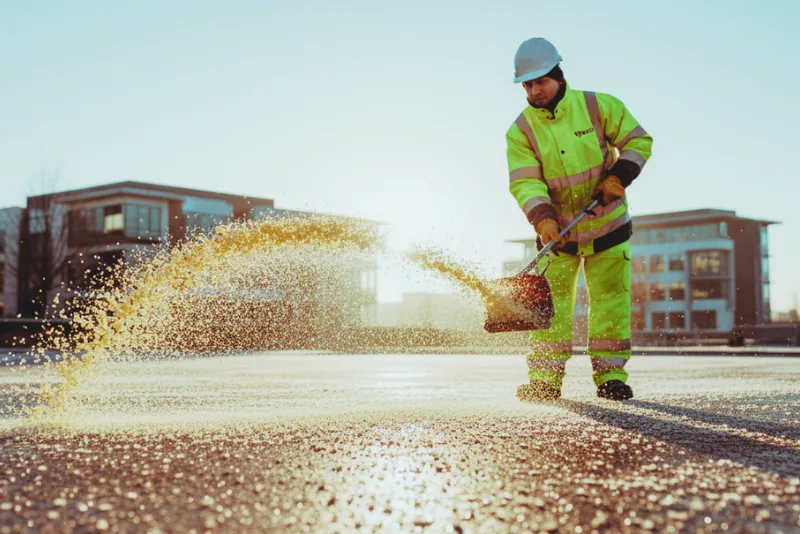
The good news? Our winter gritting service will keep your site safe, compliant and operational this winter, whatever the forecast.
Why Gritting is Essential
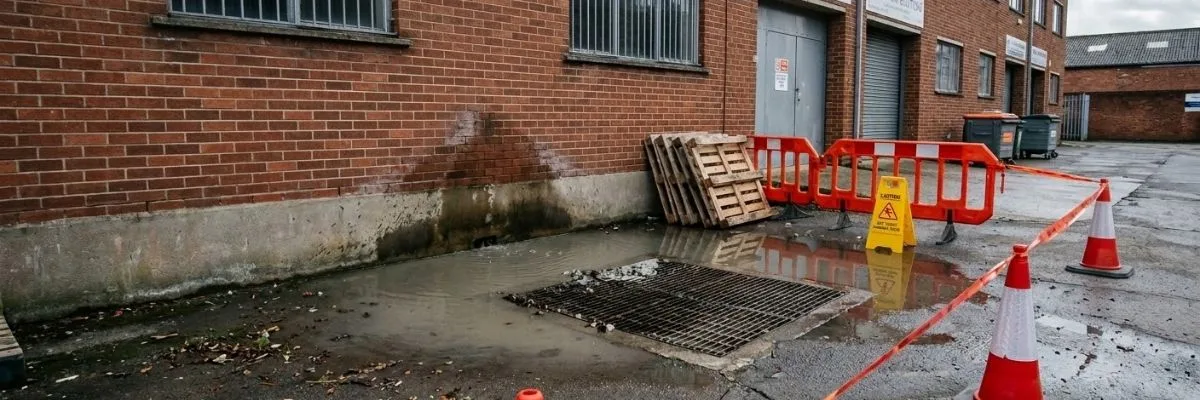
Ice build-up on access roads, walkways and car parks is more than an inconvenience; it’s a potential liability.
-
**Protect people: **Reduce slips, trips and falls, which are consistently the UK’s most common workplace injury
-
**Protect your business: **Avoid site closures and lost productivity
-
**Protect your reputation: **Show tenants, staff and visitors you take safety seriously
Leaving surfaces untreated is not worth the risk. Official estimates indicate that slip-related claims cost UK businesses over £500 million annually.
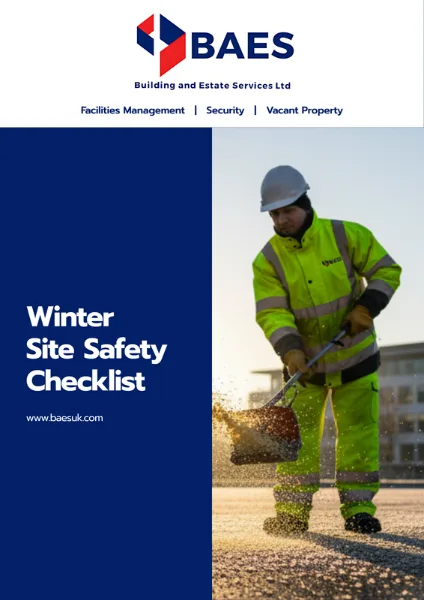
Download Your Free Winter Site Safety Checklist
Get practical steps to keep your site safe, compliant and operational in freezing weather.
Key areas to grit (car parks, walkways, ramps and more)
When to act during cold snaps and snowfall
Compliance tips to reduce slip claims and insurance risks
Tools, PPE and record-keeping essentials
Stay ahead of winter risks, protect your people and site, and avoid costly downtime.
"A single slip-and-fall incident can cost a business far more than an entire winter's gritting contract. The liability alone makes a proactive gritting programme one of the easiest ROI decisions a facilities manager can make."
Keep Your Site Safe This Winter
Professional gritting and winter maintenance across commercial sites in the South East.
What Should You Grit?
Timing is critical. The most effective gritting occurs before frost or ice forms, typically overnight or early in the morning.
You should grit when:
-
Temperatures drop close to freezing
-
Frost, snow or ice is forecast
-
During extended cold snaps
-
Before peak access times (morning and evening)
-
Before peak access times (morning and evening)
Research indicates that the risk is seasonal, with 49% of reported slips occurring in winter, compared with 36% in summer. Proactive gritting helps you stay ahead of this spike.
The Cost of Doing Nothing
Leaving your site untreated can lead to:
-
**Accidents and injury claims: **Leaving your site untreated can lead to costly consequences for landlords and managers
-
Insurance complications: Untreated ice may breach your duty of care
-
Disruption: Deliveries, staff and visitors blocked from accessing the site.
The impact of slips, trips, and falls during winter is more significant than you might realise. Between 2017 and 2020, the UK lost an estimated 971,000 working days due to these incidents. This substantial number has a considerable financial impact, but injuries and disruptions can be prevented by addressing the root cause and implementing simple preventive measures.
How We Help at BAES
At BAES, we take the hassle out of winter safety:
-
**24/7 weather monitoring: **Automatic gritting before frost forms
-
**Pre-dawn service: **Sites ready before staff and tenants arrive
-
**Full documentation: **Compliance records for your peace of mind
-
Tailored winter plans: Flexible packages or one-off call-outs.
Winter brings enough challenges without icy hazards adding to your workload. Our proactive gritting service helps you protect your property, safeguard your people and stay compliant.
Don’t wait for frost to cause slips, claims or disruptions. Download our Winter Site Safety Checklist or book your free winter appraisal today.
For immediate help, call 01903 650120.